Want smarter marketing? Join our FREE community — built for founders, marketers & creators.
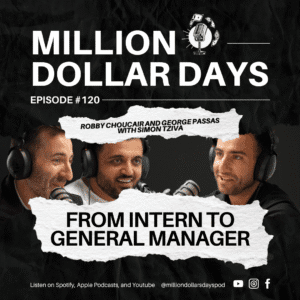
From Intern To General Manager
The story begins where most careers don’t: with an unpaid internship and a stubborn belief that proximity to the real work beats polished theory. Simon’s path from coffee runs on cold sites to the General Manager seat is a case study in choosing pressure over comfort. He tried university paths that didn’t fit, then traded lectures for live fire—safety walkthroughs, apprentice banter, and the unglamorous admin that keeps builds moving. The lesson isn’t romantic. It’s practical: experience compounds faster when you accept the cost—humility, slower starts, and the willingness to be taught. He learned foundations by asking “dumb” questions, then learned leadership by answering everyone else’s. That arc anchors this episode’s big promise: skill stacks beat credentials when the schedule gets real.
Pressure arrived with COVID and an empty supervisor chair. Rather than hire a backfill, the team threw Simon onto active sites with deadlines that didn’t care about nerves. He went from office comfort to coordinating trades, inspections, and dependencies with no room for idle days. That’s where he picked up a commercial mindset: no gaps between trades, no soft holds in the program, no “next Thursday” drift. He learned that authority isn’t rage; it’s clarity married to follow‑through. Sometimes that demands firmness—holding suppliers to dates when downstream trades and inspections are queued. But long-term results come from calibrated pressure, not blowups. The craft of construction management is knowing when to push and when to coach, and measuring your week in resolved blockers, not sent emails.
The hardest chapter wasn’t a site. It was being passed over for the GM role. That sting forced a choice: leave for a title elsewhere, or stay and prove he was the obvious pick. He chose proof. He set a finish line for a complex project, shouldered stress, then delivered on a compressed timeline. The performance flipped the narrative. Along the way, he built habits that matter more than a win: year-over-year self-audits, tying progress to new skills and higher leverage work, and a refusal to let a rough quarter define the path. When promotion came, it wasn’t charity. It was alignment: he’d added what he lacked—urgency, composure under fire, and a broader view of program, money, clients, and culture.
Stepping into the GM role changes the job from “get it done” to “create a machine that gets it done.” That starts with valuing time correctly. If the target is $40 million in annual turnover, the calendar and task list need to reflect that. High-leverage work means sales, brand, pipeline health, and negotiation, not stamping invoices. Delegation isn’t abdication; it’s the economics of scale. The team explored how to formalize this: setting a five-year plan with year-one rollouts; defining what the GM will not do; installing dashboards to expose lag in program and cashflow; and enabling supervisors to make decisions without a phone tree. The payoff is focus—on winning work, compressing schedules, and increasing predictable margin.
Two ideas round out the strategy: personal brand and action bias. People buy from people, and in construction that credibility develops in public—on LinkedIn, short-form videos, site explainers, and published lessons learned. A steady stream of practical insights can attract better clients and more accountable trades. That presence also compounds across unexpected opportunities, from partnerships to national expansion. And action bias is the core habit that gets you there. Plenty talk about podcasts, thought leadership, or new markets; winners ship the first clip, make the first awkward call, and learn in real time. Simon’s journey shows that the hardest part isn’t starting from zero—it’s staying in motion after the first no. Growth follows those who build while they learn, and tighten the schedule while they scale the vision.