Want smarter marketing? Join our FREE community — built for founders, marketers & creators.

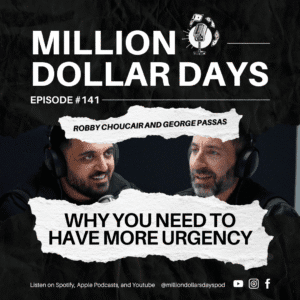
Why You Need Urgency
Time speeds up when your days start to look the same, and that’s the uncomfortable thread running through this conversation on personal growth and self-improvement. We start with a deceptively simple question: what would you change about yourself? That quickly turns into the bigger problem many ambitious people hit: you reach the milestone, replace your income, build the business, tick the box, and still feel restless. The goalpost moves, and suddenly you realize the “when I get there I’ll be happy” story is unreliable. Real contentment comes less from outcomes and more from deliberate direction, values, and daily choices that match what you say you want.
A sharp contrast shows up when we talk about world-class entertainment and execution: the UFC at the White House looked flawless, expensive, and obsessively professional. That sparks a lesson for entrepreneurship and leadership: most people don’t see the hundreds of failure points behind any big event, product launch, or business deliverable. If you’ve ever run a small event or managed a team, you know how rare “nothing goes wrong” really is. The takeaway isn’t to worship scale, but to respect systems, preparation, and attention to detail and to notice where your own standards have drifted because you’re used to chaos.
From there, the episode becomes a study in comfort zones and fear of failure. A single phone call to an old client can reopen a door to a life-changing project, but the mind instantly reaches for safety: What if it fails? What if I go broke? What if I’m not capable? That internal negotiation is the real battleground of business growth, career growth, and time management. Staying in the familiar range may keep stress lower, but it also locks in “same year, again.” Breaking that loop usually requires one clear decision point, followed by action that feels slightly reckless but is actually aligned with your skills and resources.
The same pattern applies to health habits and fitness mindset. Big dramatic resets rarely last, but small sustainable behaviors do: walking more, eating with moderation, stacking quick wins, and building momentum. We also connect this to family, parenting, and work-life balance: kids grow fast, parents age faster than your mind can accept, and being present becomes a discipline, not a vibe. The conversation even tackles the hard questions around having children, meaning, and mortality, because urgency isn’t panic it’s clarity. If time is the one resource you can’t earn back, the most practical plan is to move now, choose the hard thing on purpose, and stop letting comfort decide your future.